
Forklift batteries
Lift truck batteries are one of the most important components of an electric lift truck, not only do they power the machine, they also add to the lifting capacity of the lift truck by acting as part of the counterweight. Knowing how to properly maintain and look after the battery is essential as it minimises breakdown time, can help save money and helps to reduce some risks to health and safety. However, many operators either overlook the need for proper battery maintenance or have not received adequate training so are just unaware of what to do. Of course, this is one element of forklift training we offer at Ace Trainers.
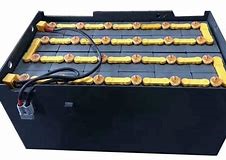
What it looks like
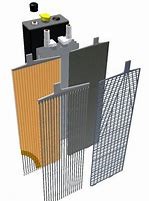
Lift truck batteries sometimes known as flooded lead acid batteries or deep cycle batteries are made up of several individual cells joined in a series. Each individual cell has 3 main components and operates at approximately 2 volts. The 3 main components are
-
- Negative electrode (sponge lead)
- Positive electrode (lead dioxide)
- Electrolyte (sulphuric acid and de-ionised water)
How it works
Every battery cell houses layers of lead dioxide and spongy lead in alternating plates. When the charged acidic electrolyte mixture contacts the plates; it creates an imbalance of electrons between the plates. Electrons will naturally travel from the negative spongy plate to the positive lead dioxide plate, attempting to correct the imbalance.
This addition of electrons changes the lead dioxide in the positive plate into lead sulphate; this reaction is what creates the electrical charge that flows through the terminals and into your lift. This process is called discharging.
*When discharging small amounts of oxygen and hydrogen gas are created as the electrolyte mixture evaporates from the heat produced by the chemical reaction. The gas is freely released out of the vented cap on the cell.
The discharging process that causes the positive plate to change into lead sulphate creates what is known as soft sulfation, if the soft sulfation hardens to create hard sulfation or sulphur crystallisation this will damage the battery and is the leading cause of battery failure.
Charging the battery will reverse the soft sulfation by reversing the procedure, forcing the sulphuric acid out of the positive plates and back into the electrolyte.
Maintain your battery
The best way to keep your forklift battery in good condition is to make sure the de-ionised water is topped up when necessary and follow the correct charging procedure. Here are a few tips to help keep your battery healthy
- Only top up de-ionised water after the battery has received a full charge
- Do not over fill the cells
- Do not discharge the battery more than 80% (20% charge left)
- Place the battery on charge when it gets approx. 30% charge left
- Avoid opportunity charging (where possible leave battery to charge fully)
- Avoid storing battery for long periods whilst discharged
Proper maintenance and charging of a forklift battery are very important and simple to do. This is one element again of some of the forklift training courses we provide to help newly qualified or even experienced operators acquire the knowledge they need to keep the forklifts running and save money and improve efficiency and productivity.
If you would like more information on some of the courses, we provide then please call us on 01256 889489 or visit our homepage.
Or visit our contact us page for other ways to talk to us.